Leading paragraph:
Tired of sharp edges slowing down your pipe production line? Discover efficient deburring methods that save hours of labor.
Snippet paragraph:
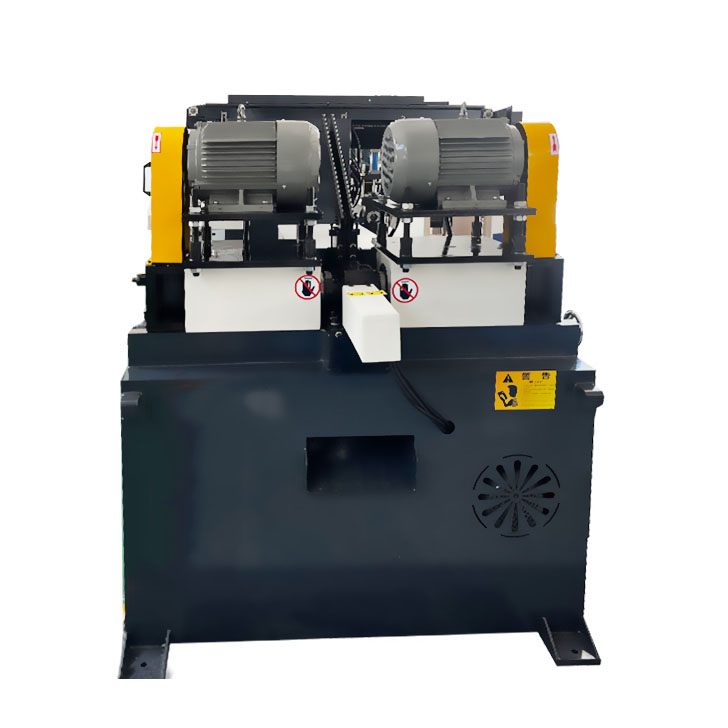
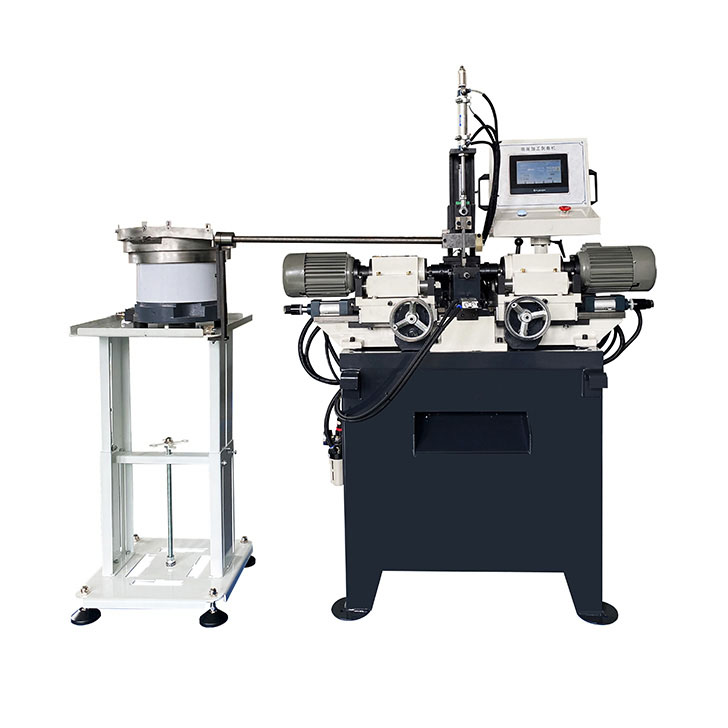
For high-volume pipe deburring, use industrial-grade machines with rotating cutters or brushes. Automated chamfering machines can process 60+ pipes/hour, while manual tools work for small batches (<10 pipes/day).
Transition Paragraph:
Having supplied deburring equipment to metal workshops for 20 years, I’ll share practical solutions from small PVC pipes to industrial-scale steel tube processing.
How to Deburr 4 PVC Pipes?
Leading paragraph:
Don’t waste money on heavy equipment for just a few plastic pipes. These $20 tools get the job done fast.
Snippet paragraph:
Use a manual pipe deburring tool with adjustable blades for PVC. Rotate it 3-4 times inside each pipe end to remove burrs in under 30 seconds per pipe. A utility knife also works for external edges.
!
Dive deeper Paragraph:
Small Batch PVC Deburring Options
| Method | Cost | Speed | Finish Quality | Best For |
|---|---|---|---|---|
| Hand deburring tool | $15-$30 | 30 sec/pipe | Smooth | Occasional use |
| Utility knife | $5 | 45 sec/pipe | Rougher | Emergency fixes |
| Sandpaper (120 grit) | $3 | 2 min/pipe | Very smooth | Cosmetic prep |
| Cordless drill attachment | $35 | 15 sec/pipe | Consistent | Frequent small jobs |
Critical Steps for PVC:
- Always deburr before solvent welding
- Remove all plastic shavings after deburring
- Check for micro-cracks (common with dull tools)
- Store tools dry to prevent rust degradation
How Do You Remove Burrs from Metal Pipes?
Leading paragraph:
Metal burrs damage equipment and injure workers. Here’s how professionals eliminate them safely.
Snippet paragraph:
For metal pipes, use mounted rotary files, flap wheels (40-60 grit), or carbide deburring blades. Steel pipes require harder tools than aluminum – tungsten bits last 8x longer than standard steel.
Dive deeper Paragraph:Metal Deburring Comparison
Method Selection Guide:
- External Burrs
- Angle grinders with flap discs (fastest)
- Hand-held deburring knives (most precise)
- Belt sanders (consistent finish)
- Internal Burrs
- Expandable deburring brushes (adapt to pipe ID)
- Magnetic deburring tools (for ferrous metals)
-
Custom mandrels (high-volume production)
Tool Longevity Data:Material Tool Type Average Lifespan Mild Steel HSS Cutter 1,200 pipes Stainless Carbide Cutter 3,500 pipes Aluminum Carbon Steel Brush 5,000+ pipes What Happens If You Don’t Deburr a Pipe?
Leading paragraph:
Skipping deburring seems to save time – until the hidden costs hit your bottom line.
Snippet paragraph:
Unremoved burrs cause leaks in hydraulic systems (up to 23% failure rate), damage seals during assembly, and create stress points that lead to cracks under pressure (especially in aluminum pipes).
Dive deeper Paragraph:Consequences by Industry
1. Plumbing Systems
- Reduced water flow (burrs act as flow restrictors)
- Accelerated corrosion (5x faster at sharp edges)
- Seal/gasket failures (80% occur at burr locations)
2. Hydraulic/Pneumatic - Particle contamination (burrs break off)
- Scratch damage to cylinders
- Pressure drops across fittings
3. Structural Applications - Crack initiation sites (verified in 92% of pipe failures)
- Weld defects at joint intersections
- Safety hazards during handling
Cost Example:
A 2mm stainless steel burr in a food processing line caused $18,000 in downstream equipment damage before detection.Which Tool is Used to Remove Burrs After Cutting Pipe?
Leading paragraph:
The right deburring tool makes all the difference between profit-eating delays and smooth operations.
Snippet paragraph:
For post-cutting deburring, choose chamfering machines (for production), handheld deburring tools (for repairs), or CNC-compatible units (for precision work). High-speed steel (HSS) tools handle most materials under 3mm wall thickness.
Dive deeper Paragraph:Tool Selection Matrix
Pipe Size Volume Best Tool Type Approx. Cost <1" OD <50/day Manual deburring tool $20-$50 1"-4" OD 50-300/day Bench-top chamfer machine $1,500-$5,000 >4" OD 300+/day Automated deburring station $12,000-$35,000 Emerging Technologies:
- Laser deburring (for fragile/thin-walled pipes)
- Robotic deburring cells (full automation)
- In-line systems (directly after cutting)
Must-Have Features:
- Adjustable depth control (±0.1mm)
- Quick-change tool holders
- Swarf/chip containment
- Compatibility with existing saws/CNC
Conclusion
Match deburring methods to your pipe material and production volume. Automated machines pay for themselves at 50+ pipes/day, while manual tools suffice for occasional jobs. Never compromise on burr removal – the risks outweigh any time savings.